Sailing routes in the Caribbean
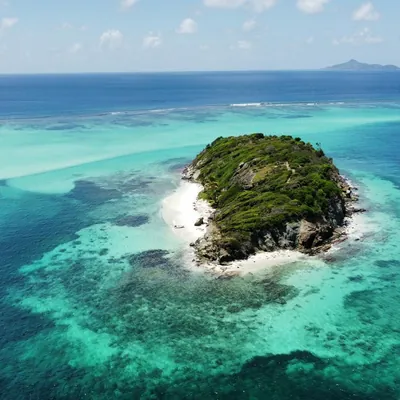
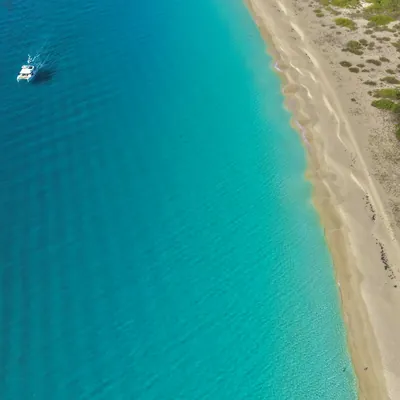
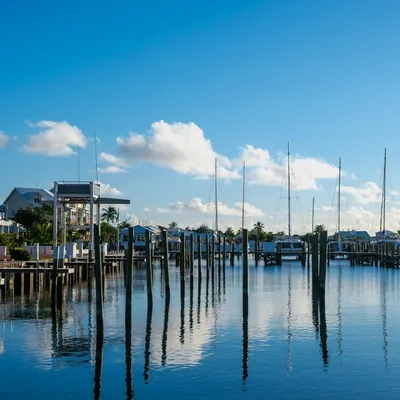
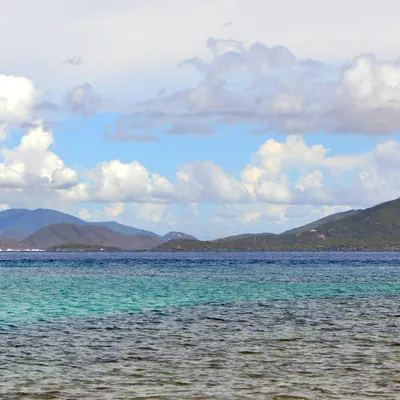
For charter, the Caribbean means first of all the British Virgin Islands (base on Tortola): dozens of islands within sight of each other, short legs and paid mooring buoys in every bay — the classic first tropical cruise. Further south are St Vincent and the Grenadines with bases on St Vincent and Grenada, plus Martinique and Guadeloupe: longer legs, islands farther apart. The easterly trade wind blows steadily at 15–20 knots. The season runs December to April; June to November is hurricane season, when boats are cheaper but the weather riskier. The fleet is mostly catamarans.
Caribbean




When is the best time to charter a yacht in the Caribbean?
The Caribbean season runs December to April: dry, with a steady 15–20-knot trade wind. The most expensive weeks are Christmas, New Year and February–March. June to November is hurricane season: boats are cheaper, the weather riskier; May is a transition month. The fleet is mostly catamarans, booked 4–8 months ahead.
Which sailing route should I pick in the Caribbean?
Sailing routes in the Caribbean, planned day by day: “Tortola — Virgin Gorda”, 7 days, about 90 nautical miles; “Martinique — Grenadines”, 7 days, about 190 nautical miles; “Antigua — Barbuda”, 7 days, about 95 nautical miles; “St Martin — Anguilla”, 7 days, about 85 nautical miles; “Marsh Harbour — Hope Town”, 7 days, about 50 nautical miles; “Guadeloupe — Dominica”, 7 days, about 136 nautical miles; “St Martin — Martinique”, 14 days, about 325 nautical miles; “St Martin — Tortola”, 11 days, about 181 nautical miles. Each route page has the legs, miles and overnight stops.
Do I need a licence to charter a yacht?
For a bareboat charter (no skipper or crew provided), yes: a skipper's licence and, as a rule, a VHF radio certificate. Without a licence, we add a skipper, paid separately from the boat price.
What is the security deposit and how is it paid?
The security deposit is your insurance excess in case of damage, usually €1,000–8,000. It is taken at the base at check-in on a credit card issued outside Russia: charter companies don't accept Russian cards or debit cards. With a hired skipper the deposit terms may be different, and not every charter company accepts a cash deposit or deposit insurance: check with the manager.